
Autolist: Used Car Marketplace



Overview
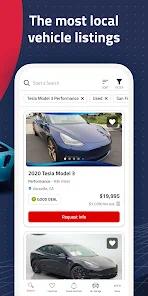
The retail used-car market suffers from intense information fragmentation, with inventory scattered across thousands of independent dealership websites, regional listing engines, and private seller networks. To address this coordination challenge, the Autolist application operates as a high-volume meta-search engine and inventory aggregator. The platform's backend indexes millions of active vehicle listings by executing continuous automated scraping runs across diverse retail databases. This architectural approach consolidates localized and nationwide supply into a single unified search interface, eliminating the need for buyers to cross-shop multiple regional platforms.
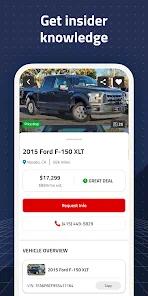
To assist buyers with pricing transparency, Autolist integrates a machine learning valuation system known as "Listimate". This algorithm compares each indexed vehicle against historical transaction data, regional inventory patterns, depreciation curves, and localized market demand. By displaying these algorithmic calculations alongside detailed price adjustment histories and "days on lot" metrics, Autolist mitigates the information asymmetry that traditionally favors commercial dealerships. Prospective buyers can track when a dealer is under pressure to liquidate stale inventory, transforming physical time-on-lot metrics into valuable negotiation leverage.
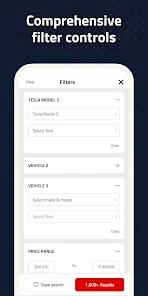
The front-end search engine provides granular filtering parameters, allowing queries to target specific trim lines, engine displacements, interior/exterior color combinations, and precise technological features. However, the database query architecture exhibits a key limitation: its search logic is positive-selection only. The application lacks negative filtering parameters, preventing users from blacklisting specific makes or models from broad search feeds. For example, a user looking for mid-size SUVs must select individual models one-by-one or view all available models, with no option to exclude specific high-volume options that crowd the results.
To facilitate transactions, the application includes unified communication APIs. Buyers can make direct phone calls, send pre-formatted SMS inquiries, or initiate encrypted emails directly to dealers or private sellers without leaving the vehicle detail page. This direct communication loop helps streamline the early phases of the vehicle acquisition pipeline.
Pros & Cons
Centralized Inventory Aggregation: Indexes millions of used and pre-owned listings across thousands of external websites, saving buyers significant time.
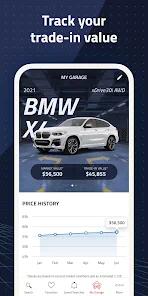
Transparent Pricing History: Exposes chronological price adjustments over the lifetime of a listing, showing exact seller concessions.
Days-on-Lot Metric Tracking: Exposes exact inventory ages, equipping buyers with strategic knowledge for physical dealership negotiations.
"Listimate" Algorithmic Valuations: Automatically runs comparative pricing models against regional trends to highlight below-market deals.
Unified Dealer Communications: Streamlines outreach by integrating cellular, SMS, and email links directly into the vehicle listing.
- ✕
No Negative Exclusion Filters: Lacks the ability to filter out specific makes or models from broad searches, requiring manual sorting.
- ✕
Intermittent Server Synchronization Issues: Suffers from occasional database disconnections, halting search queues despite active network connections.
- ✕
Placeholder Media Entries: Displays listings with generic dealer logos instead of actual vehicle photos, which reduces search efficiency.
- ✕
Inability to Screen Salvage Titles: Lacks clear flags or filters for salvage, rebuilt, or branded titles, which can clutter results with compromised vehicles.
Download


FAQs
How does the "Listimate" calculation establish a vehicle's value?
The "Listimate" algorithm parses localized transactional databases, listing prices of identical vehicles, mileage data, and equipment specs to establish a baseline retail value.
Can a user exclude specific vehicle brands from their search parameters?
No. The application’s query logic operates on a positive-selection basis. Users cannot blacklist specific brands or models from broad category feeds.
Does Autolist charge transactional or broker fees to buyers?
No. Autolist is a free marketing and search aggregation platform. All final transaction terms and payments are handled directly with the listing dealer or private seller.
How frequently are the indexed vehicle listings updated?
The aggregation engine runs continuously, updating listings multiple times daily to synchronize active, sold, and price-adjusted vehicles.
Are private seller listings included alongside commercial dealership inventory?
Yes. The scraper indexes classified databases and private listings alongside franchise dealer inventories to provide a complete market view.
Hot Reviews
The platform's price-tracking history and days-on-lot indicators provide buyers with valuable leverage during dealership negotiations.
The application provides a fast, responsive user interface that runs smoothly without disruptive pop-up ads.
The lack of a make/model exclusion tool is annoying, as it forces users to scroll through unwanted vehicles when performing broad searches.
The app occasionally loses connection to the database, requiring a full application restart to restore search functions.