Zombie Frontier 4: Shooting 3D

Overview
Zombie Frontier 4: Shooting 3D is a highly refined, tactical first-person shooter (FPS) developed by Feelingtouch. As the fourth major entry in its respective franchise, the application showcases a highly matured structural loop that transitions away from simple static shooting galleries to focus on dynamic, contextual combat scenarios. By bypassing the traditional, heavy app-store verification pipeline for every minor script change, the developer can dynamically push structural balancing patches, resolve memory leaks, and launch real-time seasonal updates directly to the client without forcing manual app-store re-installations.
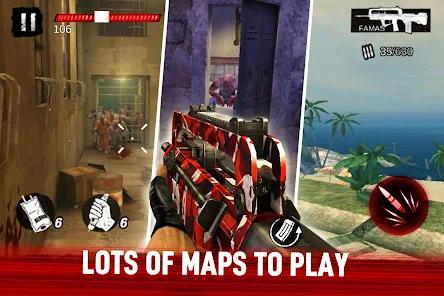
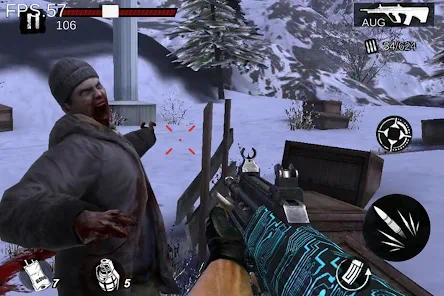
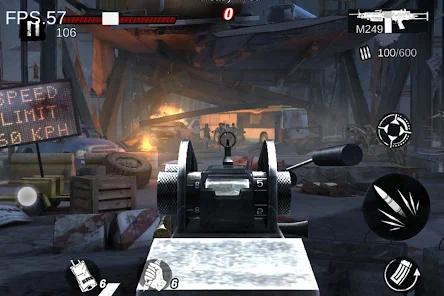
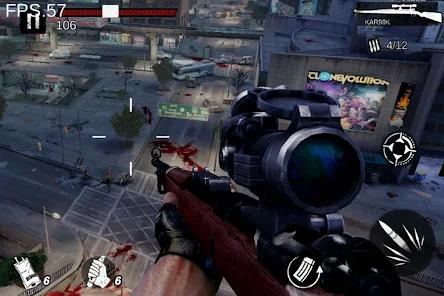
The core loop of the game is built around over 120 unique missions, boss battles, defensive sniper contracts, and episodic events. The structural progression relies on localized, multi-tier campaigns that take place in diverse micro-environments, such as frozen mountain outposts, subterranean caverns, and dense urban rooftops. Each environment dynamically alters engagement distances, sightlines, and cover mechanics. For example, skyscraper stages transform the gameplay into a high-precision long-distance sniper simulation. Conversely, dark, enclosed caves force the player into reactive, high-velocity close-quarters combat utilizing shotguns and automatic rifles.
A major strength of Zombie Frontier 4 is its detailed physics-based target feedback. The application features real-time 3D models with advanced ragdoll and dismemberment physics, where hitting specific skeletal regions triggers realistic anatomical impacts. This is paired with an expansive weapon upgrading and customization system. Players can fine-tune muzzle devices, extended magazines, structural stocks, and visual optics to directly alter reload speed, velocity, and recoil recovery parameters. By scaling the agility and health parameters of the enemy AI alongside these weapon upgrades, the developer maintains a challenging, satisfying gameplay curve that rewards strategic resource management and mechanical precision.
Pros & Cons
Pristine dismemberment and kinetic impact physics that deliver highly satisfying and visceral visual feedback.
Seamless live updates and background patches facilitated by the integration of the Unity HybridCLR runtime.
Excellent environmental and structural stage diversity that constantly shifts tactical combat demands.
Fully functional offline gameplay mode, allowing users to progress through the core campaign without a network connection.
Highly responsive tactile touch-to-fire controls with customizable look-velocities and dead-zones.
- ✕
Aggressive weapon upgrade requirements in the late-game that demand heavy grinding or high financial investment.
- ✕
Highly saturated red and high-contrast color palettes that can cause eye strain during extended play sessions.
- ✕
Repetitive grinding loops required to bypass campaign progression gates if playing entirely for free.
Download


FAQs
Can Zombie Frontier 4 be played completely offline?
Yes. The core single-player campaign and associated tactical stages are fully playable without active network connectivity.
What is the function of the HybridCLR framework in this application?
HybridCLR allows the game code to be updated dynamically over the network, bringing real-time features and bug fixes without requiring a full manual store update.
How are weapon upgrades structured in this game?
Weapons are upgraded at the component level (muzzle, barrel, magazine, stock), with each component directly improving specific gunplay attributes like recoil, capacity, or velocity.
Are headshots mechanically different from body shots?
Yes. Headshots deal significantly higher damage and trigger unique anatomical dismemberment animations and score multipliers.
Does the application feature a energy or stamina limiting system?
Yes. Like many free-to-play titles, certain tactical operations consume progression energy, which recharges over time or can be replenished using premium currency.
Hot Reviews
The physical feedback and skeletal dismemberment mechanics are exceptional, giving every weapon a highly realistic sense of power and impact.
The soft and hard currency requirements for late-stage weapon components are heavily inflated, forcing excessive grinding or real-money purchases.
Extended play sessions can feel tiring due to the overwhelming red and orange color palettes used for hit markers and visual effects.