
foodpanda: food & groceries


Overview
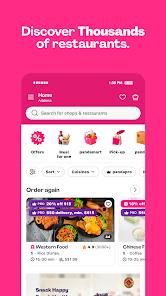
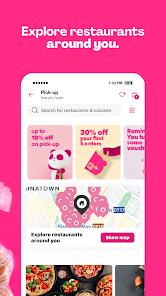
The rapid expansion of the on-demand economy has positioned foodpanda as a leading quick-commerce and food delivery platform across eleven diverse Asian markets, including highly competitive territories like Singapore, Hong Kong, Taiwan, Malaysia, and Pakistan. Operating under the corporate umbrella of Delivery Hero, the application represents a complex logistical network that has systematically expanded from traditional restaurant meal delivery into a multi-vertical provisioning system. The current architecture of the application integrates restaurant marketplaces, dark-store grocery fulfillment via "pandamart," and peer-to-peer courier logistics through "pandago".
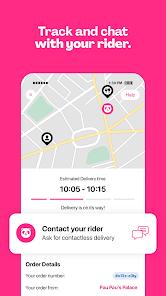
From an infrastructure perspective, the foodpanda mobile application serves as the consumer-facing gateway to a massive real-time dispatching engine. The platform relies on continuous geolocation tracking to match consumer orders with nearby service providers and available delivery riders. This logistical balance is further managed by the "panda partner" merchant application, which allows vendors to update menu availability and manage live orders on the go.
To optimize customer lifetime value (LTV) and ensure repeat transaction volumes, foodpanda integrates "pandapro," a tiered subscription service offering free delivery thresholds and enhanced discount margins on both delivery and self-pickup orders. However, this multi-vertical design introduces technical and design challenges. As the platform packs more services into its interface, users frequently encounter system performance lags, server connection drops, and loading delays during peak hours.
The foodpanda app remains focused on quick-commerce retail and courier utility. Furthermore, the application's driver dispatch algorithms rely on sequential multi-stop routing to maximize fleet efficiency. This strategy often clashes with consumer expectations of speed, as routed drop-offs can extend delivery windows and lead to colder food.
The main friction point within the foodpanda application lies in its checkout flow. Users often experience "pricing fatigue" caused by multi-layered charges, where platform fees, delivery fees, and local taxes are stacked at the very end of the transaction rather than integrated transparently from the start.
Pros & Cons
Broad Regional Footprint: Connects users to thousands of local vendors across more than 400 cities in 11 countries, ensuring consistent utility for international travelers.
Integrated On-Demand Courier: Features the pandago service, allowing instant peer-to-peer package delivery without requiring a merchant purchase.
Dark-Store Grocery Speed: Maximizes grocery delivery efficiency through dedicated pandamart dark stores, bypassing traditional retail delays.
Cost-Effective Loyalty Model: Unlocks high-margin savings, free delivery options, and dine-in deals via the pandapro membership.
Direct Merchant Partner Integration: Synchronizes with the panda partner portal, ensuring real-time menu and holiday hour updates.
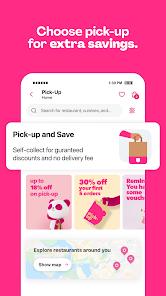
Efficient Pickup Capabilities: Allows consumers to pre-order and self-collect meals to bypass delivery fees and long in-store queues.
- ✕
Opaque Fee Stacking: Accumulates platform service fees, delivery charges, and taxes at checkout, significantly raising the final cost of small orders.
- ✕
Disadvantaged Multi-Stop Routing: Routes drivers to multiple locations per trip, which often delays deliveries and compromises food temperature.
- ✕
Automated Support Bottlenecks: Restricts customer service access behind automated chat interfaces, making it difficult to reach human agents for refunds.
- ✕
Peak-Hour App Latency: Suffers from server connection errors and slow loading screens during high-traffic lunch and dinner times.
Download
 Get it on Google Play
  Get it on App Store
 FAQs
What is the difference between pandamart and foodpanda shops?
Pandamart operates out of dedicated, platform-owned micro-fulfillment centers optimized for rapid packing. Foodpanda shops relies on retail staff at traditional, third-party partner supermarkets and pharmacies to assemble orders.
How do users access the pandago delivery service?
Users select the pandago icon on the home screen, input the sender and recipient addresses, specify parcel dimensions, and request an on-demand courier rider to transport the goods.
Can a single foodpanda account be used in different countries?
Yes, a registered profile automatically adjusts to the local currency, language, and merchant listings based on the device's real-time GPS coordinates.
Why is a platform fee charged alongside a delivery fee?
The platform fee is a dedicated charge used to support system security, continuous technology development, and operational maintenance. The delivery fee goes directly toward courier compensation.
How do merchants coordinate their operations with the consumer app?
Merchants use the companion panda partner application to track live orders, update menu listings, adjust operating hours, and access performance reports.
Hot Reviews
Multi-stop driver dispatching continues to impact food quality. Orders estimated for a twenty-minute delivery window regularly take over an hour to arrive, resulting in cold food.
The checkout screen feels misleading. Stacking platform surcharges and taxes at the very end of the order process can almost double the initial menu price of single-item orders.
Reaching a live customer support representative is incredibly challenging. The app keeps users trapped in automated chatbot loops, offering generic copy-paste responses instead of resolving issues.
The basic order placement flow is highly polished. Adding items to the cart, modifying selections, and initiating checkout requires only three taps, making it highly accessible.