
Antique Identifier Zophi



Overview
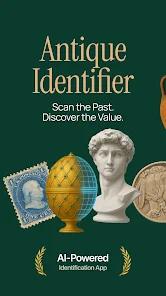
Antique Identifier Zophi is a specialized computer-vision utility designed for the booming 2026 "resale and thrifting" market. Developed by 326 LAB, the application serves as a mobile appraiser, using generative AI to identify and value vintage objects, coins, stamps, and collectibles. This app is particularly popular among estate sale professionals, "flippers," and individuals who have inherited family heirlooms and need immediate context on their value.
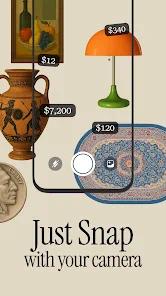
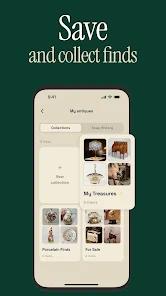
The feature breakdown for Zophi includes "Instant Visual Recognition," which compares a user's photo against a massive global database of auction results and historical sales. The app then provides an "Estimated Market Value," along with "Historical Context" detailing the provenance, era, and maker of the item. A unique 2026 observation is the app's "Maker's Mark Decoder," which can identify hallmarks on silver, pottery, and china that are often invisible to the naked eye. Furthermore, the app includes "Collection Management" tools, allowing users to organize their finds into professional digital albums and export them as PDFs for insurance or sales purposes.
Insightfully, Antique Identifier Zophi functions as a "Confidence Engine" for the secondary market. By providing "instant provenance," it allows sellers to justify higher prices and helps buyers avoid "repro" (reproduction) traps. However, the app has been criticized for its "Trial Friction." While listed as free to download, it typically allows only three scans before demanding an annual subscription of $20–$30. Some users have also noted that the AI can struggle with "generic" items that lack unique markings, leading to "spinning wheels" and inconclusive results. Despite these limitations, for professional resellers, the app represents a significant reduction in manual research time.
Pros & Cons
Uses state-of-the-art computer vision to identify a vast range of items, from rare furniture and fine art to coins and curio.
Provides "Deep Historical Insight," giving users a story they can use to better "romance" and sell an item.
"Maker's Mark Identification" is exceptionally powerful for identifying the origin of silver, jewelry, and pottery.
Allows for the creation of "Professional Appraisal PDFs," which are invaluable for estate management and online sales.
"Collection Organizer" helps serious hobbyists and professional dealers keep track of their inventory with photos and notes.
The "Explore Feed" allows users to see what other collectors are finding, providing a social layer to the hobby.
Specialized modules for coins and stamps provide higher accuracy for those specific, high-detail categories.
- ✕
The "Subscription Wall" is encountered very quickly, with some users feeling that three free scans is not enough to test the app.
- ✕
Valuations are "market estimates" based on asking prices and may not always reflect the actual realized sale price.
- ✕
Accuracy is dependent on lighting and photo quality; items with subtle details can sometimes be misidentified.
Download


FAQs
Is the valuation an official appraisal?
No, the app provides a "research estimate" based on market data. For insurance or legal purposes, a physical inspection by a certified appraiser is recommended.
Can it identify fake antiques?
The app can often identify if hallmarks or materials don't match the reported era, but it is not a 100% guarantee against high-quality forgeries.
How do I use the Maker's Mark Decoder?
You should take a close-up, clear photo of any stamps, signatures, or hallmarks on the bottom or back of the item for the AI to analyze.
What happens if the app doesn't recognize my item?
Users are encouraged to retake the photo in better lighting or focus on a specific unique feature of the object to help the AI categorize it.
Does the app work for modern collectibles?
Yes, the app's database includes modern "curio" and high-value collectibles, not just 100-year-old antiques.
Hot Reviews
Reviewers frequently call the app their "best friend at flea markets," noting that they’ve found several "hidden gems" they would have otherwise skipped.
A common grievance is the "aggressive subscription prompt," with many users stating they would prefer a "pay-per-scan" model over an annual fee.
Users are often impressed by the app's ability to identify obscure pottery marks and silver hallmarks that they couldn't find through a manual Google search.