
Hiya: Spam Blocker & Caller ID


Overview
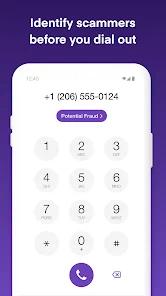
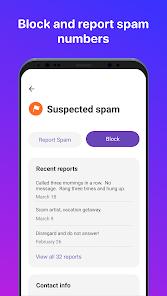
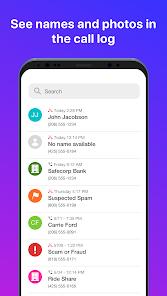
The telecommunications network operates as a critical infrastructure, yet it remains highly vulnerable to automated exploit scripts, dynamic spoofing attacks, and synthetic identity fraud. In response to these vulnerabilities, Hiya: Spam Blocker & Caller ID serves as a system-level gatekeeper designed to screen, flag, and intercept incoming voice calls. Rather than relying solely on static, post-facto blacklists, the application integrates a dynamic voice security architecture powered by the proprietary Hiya Voice Protect platform. This infrastructure provides real-time telephony stream analysis, cross-referencing incoming traffic against a global database of known telemarketers, debt collectors, and fraudulent operators.
A primary differentiator of the application is its integrated Call Screener and AI Voice Detection engines. Operating primarily on devices within the United States and Canada, the Call Screener acts as an automated virtual receptionist that answers unknown incoming calls, requests call context from the initiator, and presents a real-time transcript to the recipient. Concurrently, the AI Voice Detection system conducts real-time acoustic analysis of the telephony audio stream to detect digital synthesis and voice deepfakes. By identifying the subtle artifact patterns left by text-to-speech generators and voice-cloning algorithms, the system warns users before they disclose sensitive information. And it offers local contacts whitelisting and supports continuous real-time synchronization.
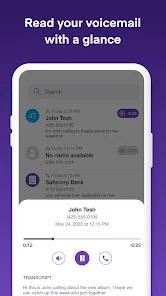
From an architectural standpoint, the application displays distinct platform-specific behavioral variations. While the iOS version operates within severe sandbox limitations that restrict automatic system-level call manipulation, the Android iteration leverages deep telephony framework integrations. Android users benefit from direct background interception, allowing the app to terminate spam connections before the physical handset alerts the user. However, certain secondary features, such as Visual Voicemail, remain restricted to iOS, illustrating the development challenges of cross-platform feature parity.
The transition of the application's monetization strategy from a utility to an aggressive subscription model represents a significant shift. Free tiers are restricted to basic caller identification and static spam warnings, forcing users into premium annual or monthly subscriptions to access automated screening, voice protection, and visual voicemail capabilities. This transition has generated friction among long-term users, who frequently note that the reduction of free utilities has diminished the out-of-the-box value of the client.
Pros & Cons
Real-Time Acoustic Deepfake Analysis: The integration of Voice Protect allows the system to analyze incoming voice signals for synthetic artifacts, protecting users against advanced AI-driven social engineering attacks.
Localized Contact Whitelisting: The application preserves user privacy by keeping contacts whitelisting data locally on the device, ensuring sensitive personal relationships are not uploaded to external servers.
Automated Background Call Interception: On Android, the app silently terminates verified spam and fraudulent connections before they cause audible interruptions.
Extensive Global Threat Database: Drawing on telemetry from hundreds of millions of endpoints, the system identifies caller details and spam scores with highly precise context.
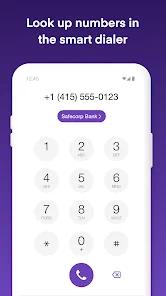
Flexible Direct Number Lookup: The database permits users to perform manual reverse-searches on unknown numbers to determine spam risk before returning a missed call.
- ✕
Geographic Feature Discrepancies: Advanced capabilities, such as automated call screening and AI deepfake analysis, are restricted to users located in the United States and Canada.
- ✕
Platform-Specific Feature Disparities: Critical features like Visual Voicemail are omitted from the Android build due to technical differences across operating systems.
- ✕
Subscription-Gated Core Features: Key utilities, including comprehensive voicemail protection and ad-free operation, require a paid subscription, rendering the free version highly limited.
- ✕
Delayed Notifications and Background Failures: System-level resource management on Android can occasionally terminate the background service, leading to delayed call alerts and incorrect call blocks.
Download


FAQs
Are the AI voice detection and automated call screening features available globally?
No. These real-time acoustic analysis and call-screening functions are currently restricted to users located within the United States and Canada.
Is my personal contact list uploaded to Hiya's servers?
The contact whitelisting system operates locally on the user's handset, meaning the contact data used to prevent false positives does not leave the local device.
What features are included in the free tier of the app?
The free tier provides basic caller ID, manual reverse number lookups, and standard spam alerts, while automatic blocking and voicemail protection require a premium subscription.
Why is Visual Voicemail missing from the Android version of the app?
Visual Voicemail integration is restricted to the iOS version of the application due to OS-level sandboxing and dialer framework differences.
Does the application guarantee 100% detection of all spam and fraudulent calls?
No security platform is perfect. Spammers regularly change their numbers, meaning some calls may bypass detection until the database is updated.
Hot Reviews
Reviewers consistently note that the application successfully minimizes telemarketing intrusions, restoring peace to users who previously received numerous spam calls daily.
A segment of the user base expresses dissatisfaction with the transition of features that were once free, such as comprehensive voicemail screening, behind monthly and annual paywalls.
Technical feedback indicates that persistent post-call notification overlays can be difficult to dismiss, and background process termination occasionally causes delayed missed call warnings.
Users express disappointment over the lack of visual voicemail support on Android devices, pointing out that competitor services provide this feature natively across operating systems.