
Flowbird Parking
Overview
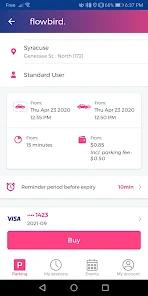
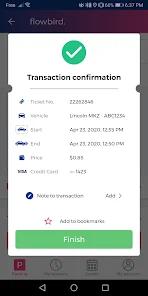
Flowbird Parking is a mobile payment and transaction platform developed by Flowbird to manage municipal street parking and off-street garages. The system replaces physical parking meters and kiosks with a digital transaction portal that handles vehicle registration, parking zone selection, and session management.
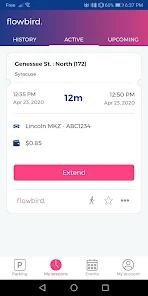
The platform utilizes GPS coordinates to identify the user's parking zone. It also includes features like customizable expiration notifications, remote parking extensions, and a navigation aid to help users locate their parked vehicles.
To support changing municipal infrastructure, Flowbird has integrated Electric Vehicle (EV) charging station management directly into the core parking interface. This allows motorists to locate open municipal charging stations, scan and select physical chargers, initiate charging sessions, and pay for the exact energy consumed (measured in kilowatt-hours) from a single user wallet. This consolidation addresses the growing need for unified municipal micro-transactions, helping drivers manage both parking and charging without switching between disparate applications.
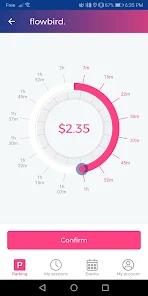
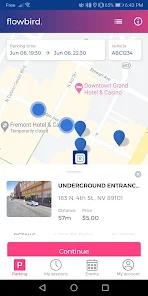
Flowbird manages transactions using a digital card system compliant with Payment Card Industry Data Security Standards (PCI DSS), verified through external compliance audits to secure transactions. When parking, the application maps local zones, and users select their desired parking duration using a dial control before confirming payment.
However, the localized nature of municipal contracts presents a challenge. The application only works within municipal zones that have active partnerships with Flowbird. This limits its utility outside of those specific areas. Additionally, payment integration issues can lead to transactional desynchronization.
For example, users have reported instances where mobile wallets (such as Google Wallet) are charged, but the database fails to register an active parking session, putting drivers at risk of municipal citations. These issues can be particularly frustrating when physical street kiosks are also out of order, leaving motorists without a reliable payment method.
Pros & Cons
Integrated EV Charging Platform: Consolidates roadside vehicle parking with charging station management and kilowatt-hour billing.
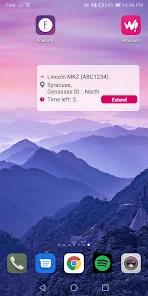
Remote Session Extension: Allows drivers to extend their parking time remotely, subject to local municipal parking limits.
Geographical Vehicle Tracking: Offers a "find my car" utility that saves GPS coordinates to guide users back to their vehicles.
PCI DSS Certified Payment Processing: Secures stored payment credentials and mobile wallet transactions.
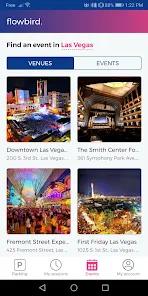
Localized Parking Density Map: Displays real-time parking spot occupancy rates in selected metropolitan areas.
- ✕
Transactional Desynchronization Issues: Mobile wallet charges sometimes process without registering an active parking session, risking citations.
- ✕
Inconsistent GPS Geolocation Performance: Occasionally fails to resolve coordinates accurately, omitting nearby parking zones.
- ✕
Highly Fragmented Geographic Availability: Usage is limited to cities with active Flowbird municipal agreements.
- ✕
Unreliable Credit Card Registration: Standard payment gateway portals can encounter validation errors during direct card registration.
Download


FAQs
How is EV charging managed and billed in the application?
Users select a charger in the application, initiate the session, and are billed for the kilowatt-hours (kW) consumed once charging is complete.
Can a user extend parking duration from any location?
Yes, parking sessions can be extended remotely, though options are subject to local municipal maximum time limits.
Are there fees associated with creating a Flowbird account?
No, registration and account creation are free, with transactions limited to the cost of parking and charging sessions.
What options are available if the local street kiosk is broken?
The application can be used to initiate and pay for parking sessions directly, provided the local municipality is a partner.
How are transaction records and personal data secured?
The application uses transit encryption and meets PCI DSS compliance standards, verified by external audits, to protect transaction data.
Hot Reviews
The application's GPS can struggle to pinpoint precise locations. Users report that it often fails to display nearby parking zones, even when parked directly adjacent to physical signs.
Users have experienced synchronization issues where Google Wallet is charged but the app fails to register a session, which can lead to unexpected parking citations.
When physical parking kiosks malfunction, the mobile application can also experience issues, leaving drivers without a reliable way to pay for parking.