
Phenix, anti-waste groceries

Overview
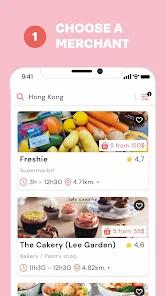
The global challenge of food waste has prompted a shift toward circular economy platforms. This shift is exemplified by Phenix, a specialized B2B2C marketplace mobile application active in France, Belgium, Spain, and Portugal. Developed by Phenix SAS, the application connects local merchants—ranging from supermarkets and artisan bakeries to organic food stores and local restaurants—with value-seeking, eco-conscious consumers. The platform facilitates the purchase of daily surplus food that would otherwise be discarded, typically at an average discount of 50%.
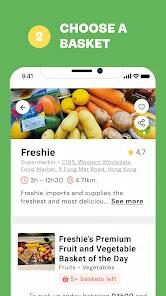
The main feature of Phenix is the "surprise basket" (panier surprise). Because surplus inventory is inherently unpredictable, users purchase a generic basket from a chosen merchant without knowing its exact contents in advance.
To make this model more practical for users with specific dietary needs, Phenix includes structured category filters. Users can filter search results by categories like vegetarian, organic (bio), local, halal, or kosher.
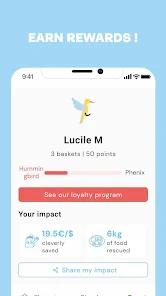
The app also tracks environmental impact, displaying saved carbon emissions and physical waste reduction metrics directly on the user's profile.
Comparing Phenix with its direct competitors highlights its unique positioning. While Too Good To Go enjoys a larger global footprint, Phenix differentiates itself with highly granular dietary filters and strategic integrations with local hypermarkets and supermarkets. Olio, by contrast, operates on a peer-to-peer donation model, which avoids commercial transactions but lacks the consistency of commercial retail networks.
Phenix also supports regional corporate meal vouchers, such as France's Ticket Restaurant cards, making it highly practical for daily office lunches.
However, the surprise model relies heavily on merchant participation and accuracy. Users can run into issues if merchants fail to provide bags matching the advertised value, or if they do not update their store hours, leading to pickup trips to closed locations.
Pros & Cons
Eco-Impact Tracking: Shows users their personal environmental contribution, displaying saved carbon dioxide emissions and food weight on their profile.
Granular Dietary Filters: Filters available baskets by vegetarian, organic, local, halal, and kosher requirements to match user preferences.
Corporate Payment Support: Integrates with corporate meal voucher systems like Ticket Restaurant, making it easy to buy cheap daily lunches.
Local Loyalty Incentives: Features a referral program that awards loyalty points to users, which can be redeemed for further discounts.
Targeted Favorite Alerts: Lets users bookmark preferred local merchants to receive push notifications when new surplus baskets go online.
Double-Sided Food Reduction: Helps merchants recover margin on unsold inventory while saving money for consumers.
- ✕
Inconsistent Basket Valuation: The value and quality of items depend on a merchant's daily excess, occasionally resulting in items that are poor quality or close to spoiling.
- ✕
Sparse Non-Urban Listings: Displays very few available merchants in suburban and rural areas, concentrating most partner shops in major cities.
- ✕
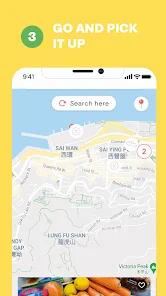
Tight Pick-up Windows: Restricts food collection to narrow evening windows, which can conflict with standard work and travel schedules.
- ✕
Sluggish Refund Processes: Suffers from slow customer support responses when users need to resolve issues like closed stores or incorrect order valuations.
Download


FAQs
How do the dietary filters function in the Phenix application?
Users navigate to the search screen, tap the filter icon, and select their dietary preferences (vegetarian, halal, kosher, bio, or local) to show matching baskets.
What should a user do if a partner store is closed during the pickup window?
The user should take a photo of the closed storefront and contact Phenix customer support via the in-app chat or email with their order ID to secure a refund.
Can users pay with cash upon arrival at the store?
No, all transactions must be completed securely within the application using credit cards, mobile wallets, or supported corporate meal cards before pickup.
Are the products inside the surprise baskets safe to eat?
Yes, merchants are legally required to pack only edible, safe items, typically consisting of daily bakery surplus or packaged goods with short shelf lives.
How do the referral points work?
Users share their unique referral code with friends; once a friend completes their first purchase, both accounts receive loyalty points redeemable for future discounts.
Hot Reviews
The value of the baskets can be highly unpredictable. While some shops provide excellent selections, other merchants pack low-value, nearly spoiled items that do not match the advertised retail price.
The app is highly effective for reducing grocery costs. Users can consistently purchase fresh, high-quality bread, dairy, and organic produce at half price.
Support response times are often delayed. When issues arise, like a merchant being closed during the pickup time, getting a refund can take several days.
The dietary filters are a major convenience. Being able to filter out non-vegetarian or non-halal items saves time and ensures users only purchase food they can eat.